Gentle, Informed Care for a Complex Condition
If you suspect you may have lipoedema – or you’ve already been diagnosed – you may have spent years feeling misunderstood.
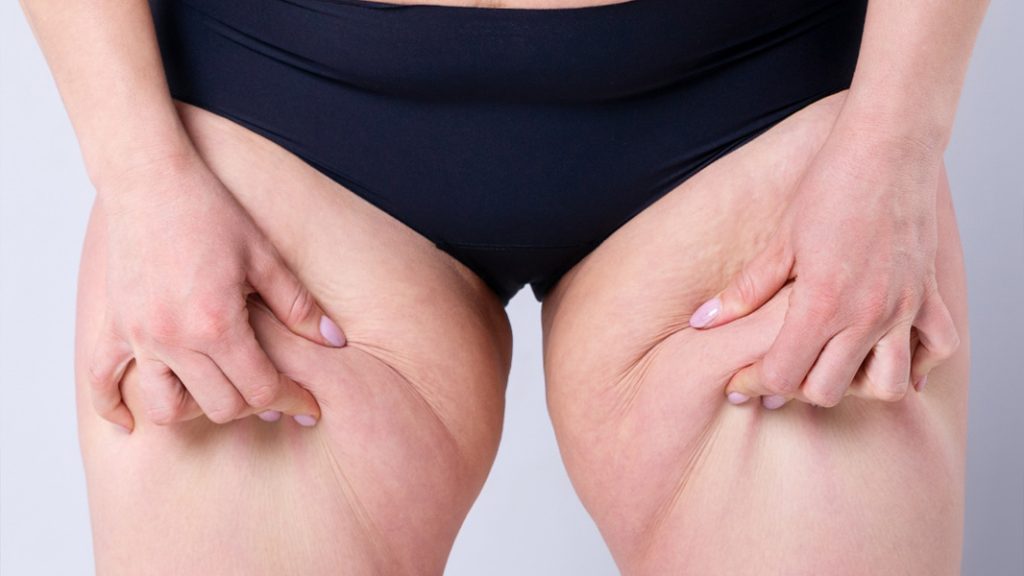
Lipoedema is not cellulite.
It is not caused by overeating.
It is not “just weight gain.”
Lipoedema is a chronic condition involving abnormal fat distribution and inflammation, most commonly affecting the legs, hips and sometimes arms. It primarily affects women and is often triggered or worsened by hormonal changes such as puberty, pregnancy or menopause.
At Body Rituals, we provide supportive, non-surgical treatments designed to assist lymphatic flow, reduce discomfort and improve tissue quality – always within our scope of practice and in collaboration with your broader healthcare team.
What Is Lipoedema
Lipoedema is a chronic, painful, loose connective tissue disorder, occurring almost exclusively in women. It is characterised by disregulated and disproportionate fat growth, most commonly found in the legs and arms, and less commonly in other areas of the body.
Lipoedema is usually exacerbated during times of hormonal change, and is resistant to conventional lifestyle modifications. It is incurable, but there are management strategies that can reduce symptoms, including conservative measures and in some cases, surgery.
How Do I Know If I Have Lipoedema?
Lipoedema is typically diagnosed through a combination of physical examination, medical history review, and evaluation of characteristic symptoms. Healthcare professionals, such as vascular specialists, physiotherapists and surgeons, may assess the distribution of fat, tenderness, and other signs during a clinical examination. In some cases, imaging tests like ultrasound or MRI may be used to support the diagnosis and rule out other conditions.
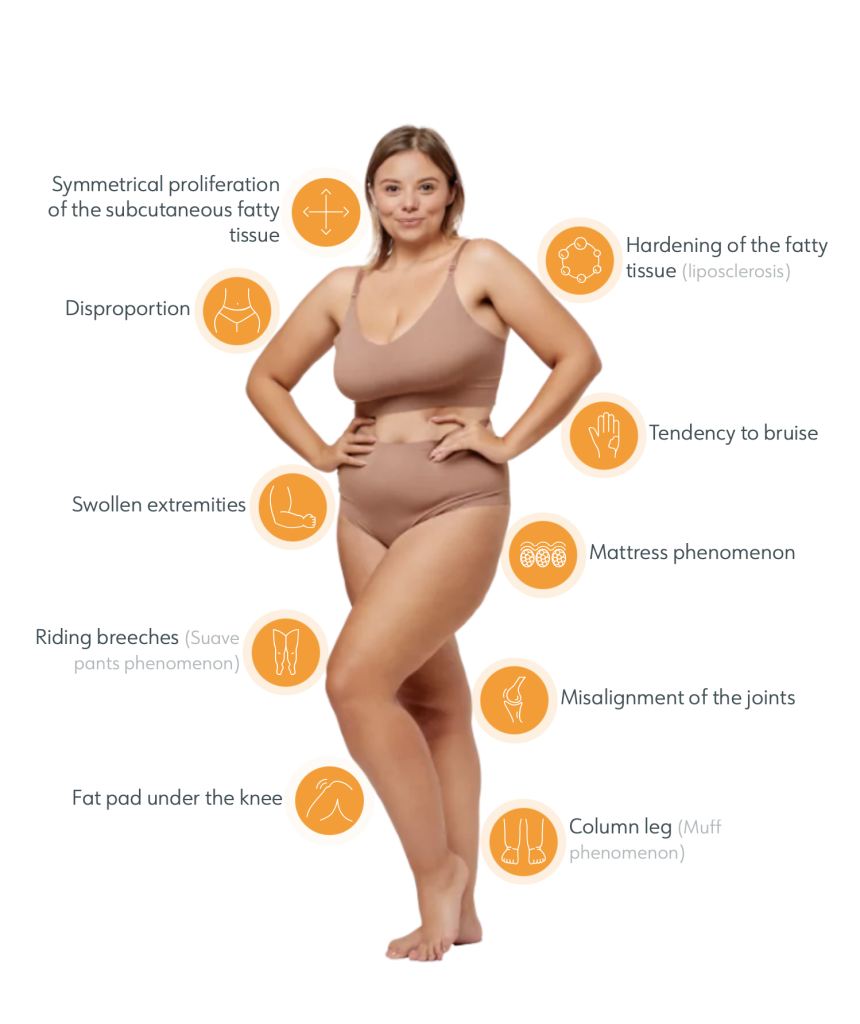
Lipoedema is a chronic adipose tissue disorder characterised by:
• Disproportionate fat accumulation in the lower body
• Symmetrical enlargement of legs and/or arms
• Pain or tenderness in affected areas
• Easy bruising
• Heaviness and swelling
• Resistance to diet and exercise
Importantly, lipoedema fat behaves differently to typical body fat. It is often fibrotic, inflamed and hormonally influenced.
According to Lipoedema Australia, lipoedema is underdiagnosed and frequently misunderstood, with many women going years without proper recognition or support.
For comprehensive medical information and advocacy resources, we encourage visiting Lipoedema Australia at:
https://www.lipoedemaaustralia.com.au
They provide valuable education, support networks and guidance around diagnosis and medical management.
What Does Lipoedema Look Like?
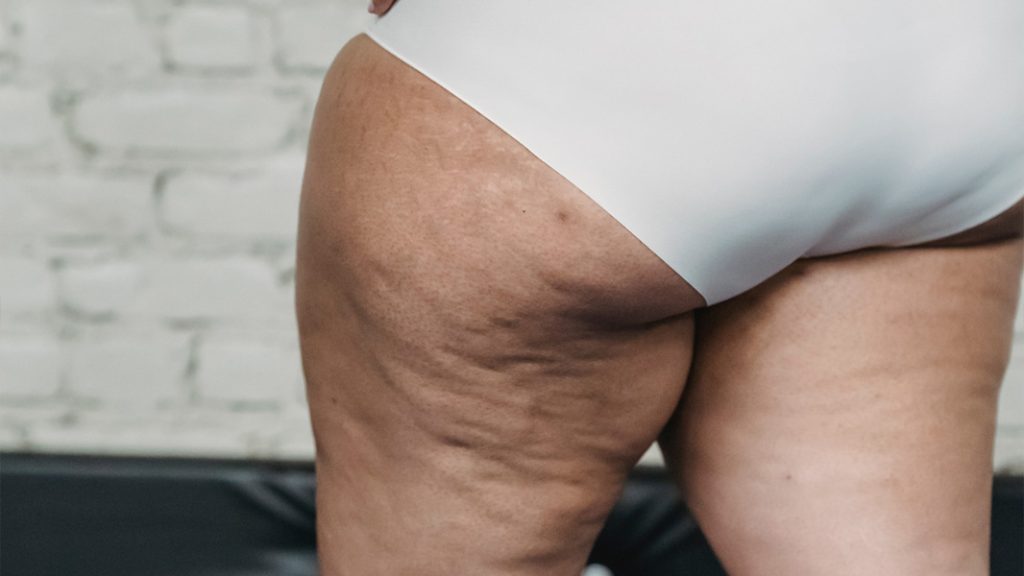
Areas of the body affected by lipoedema are often sensitive to the touch or painful, bruise easily, and have a textured appearance of the skin, often described as “cottage cheese” or “mattress-like.” Individuals may also experience a heavy or achy sensation in their affected areas, especially after long periods of standing or certain physical activity.
What Can I Do About Lipoedema?
Lipoedema is considered a chronic condition that benefits from a multi-layered, conservative management approach.
According to organisations such as Lipoedema Australia, treatments may include wearing well-fitted compression garments, receiving specialised manual lymphatic drainage massage, engaging in low-impact exercises – particularly water exercises, and adopting a low-inflammatory diet.
In certain situations, surgery may be considered to reduce excess tissue, including liposuction and skin excision. It is important to consult with a healthcare professional to determine the most suitable treatment approach based on your individual circumstances.
At Body Rituals, we focus on supportive, non-surgical modalities that may assist with comfort, circulation and tissue health.
Our Role In Lipoedema Support
We do not diagnose lipoedema. We do not claim to treat or cure it.
What we offer is supportive, conservative care that may assist with:
• Lymphatic flow
• Fluid management
• Tissue comfort
• Heaviness and congestion
• Skin quality
• General wellbeing
We work alongside your GP, specialist or allied health providers where appropriate.
Do You Need Lipoedema Support?
Start with a personalised consultation so we can build a gentle, non-surgical support plan tailored to you.
Book Your Consult Now